The White House has made cutting energy bills a central political priority, but critics say its own policies are making the problem worse as households across America face rising costs.
Energy affordability has become one of the defining domestic battlegrounds of Donald Trump’s second term. With electricity prices up nearly 7% last year — more than twice the rate of overall inflation — and some states reporting bills 20 to 30% higher than a year ago, the pressure on the administration to deliver relief is intensifying ahead of the midterm elections.
In a sign of how seriously the White House is taking the issue, President Trump and Chief of Staff Susie Wiles were briefed as early as December on a sweeping government-wide review of how energy costs could be brought down. The strategy spans everything from revising appliance efficiency regulations to easing permitting for new power plants, and reflects the administration’s core belief that maximising domestic energy production is the surest path to lower prices.
“Drill, Baby, Drill”
At the heart of the administration’s approach is its so-called “energy dominance” agenda. Launched through executive orders in the early days of Trump’s second term, the policy aims to accelerate oil, gas, and mining approvals whilst rolling back regulations that officials say have artificially inflated costs. The US set a historic record in 2025, exporting more than 100 million metric tons of liquefied natural gas — the first country ever to reach that milestone — and the Energy Information Administration forecasts further production highs through 2026 and 2027.
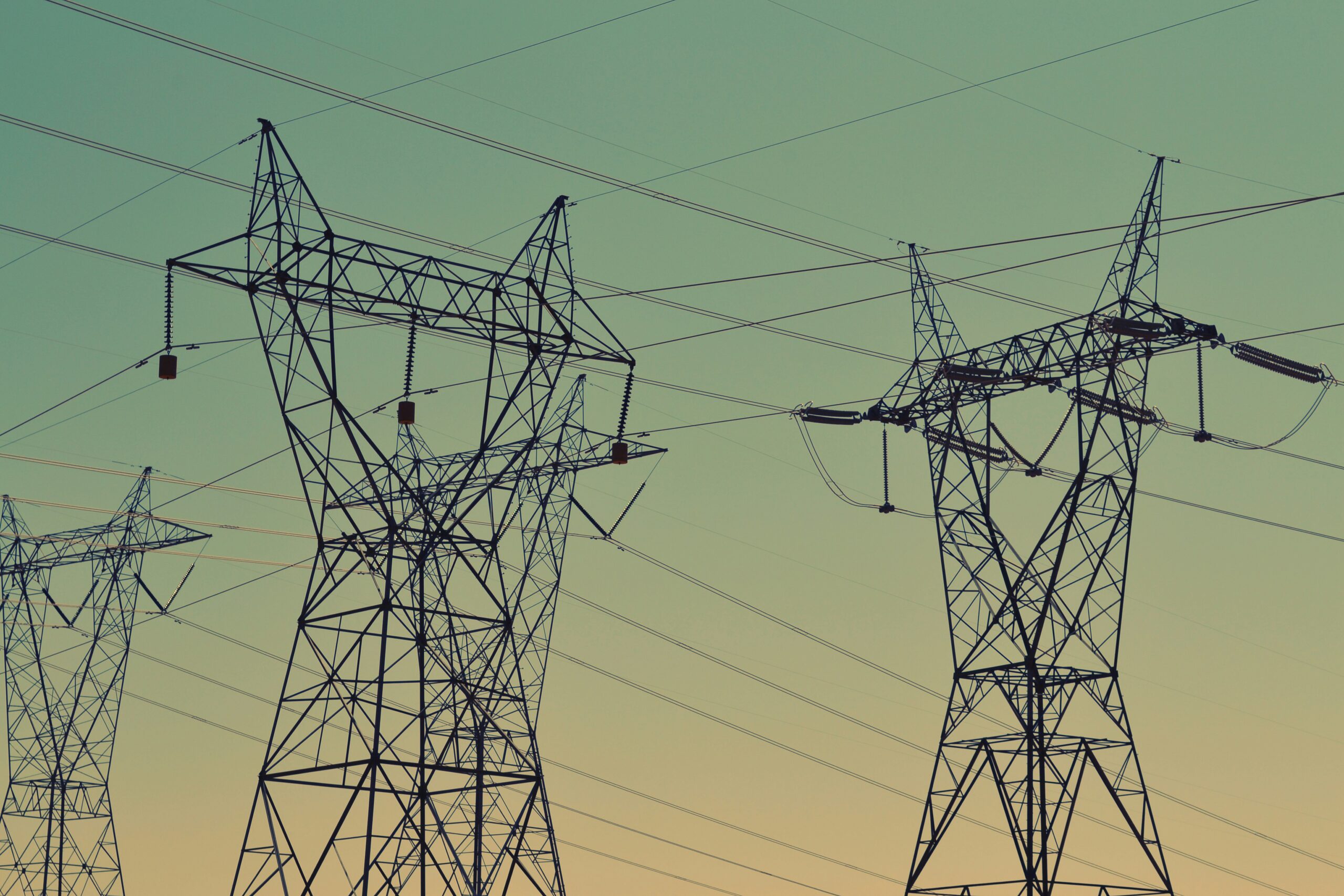
In March, President Trump signed an executive order aimed at strengthening the electricity grid, which the White House said would keep 17,000 megawatts of power plants — enough to supply 12.75 million homes — from being taken offline. Energy Secretary Chris Wright has argued that the administration’s policies will bring electricity prices down over the course of Trump’s term, reversing what he described as damage done by the Biden administration.
A Contested Claim
That argument is sharply disputed. Critics, including the Union of Concerned Scientists, say the administration has slashed energy efficiency programmes and removed incentives for clean energy that could have offered lasting relief to consumers. Electricity bills have risen by as much as 13% since President Trump took office, according to figures cited during a Senate Energy Committee hearing.
The conflict in Iran has added further pressure, disrupting oil and natural gas supplies from the Middle East and driving up fuel prices at a time when the administration’s reversal of renewable energy policies has left fewer alternatives on the table. Analysts at the American Progress think tank argue that ending the conflict — and restoring EV tax rebates and fuel economy standards — would do more to lower bills than the measures currently being pursued.
Meanwhile, the administration has also backed large-scale investment in nuclear energy and pledged $625 million to revitalise the coal sector, as part of a broad effort to diversify the grid and ensure baseload power reliability.
Political Stakes
The White House is acutely aware that energy costs carry significant political weight. With the midterms on the horizon, officials are pressing states and grid operators to reform capacity markets and require data centres — whose explosive growth has pushed up electricity demand — to pay for the new generation built on their behalf.
Whether those measures will translate into lower bills before voters go to the polls remains the central question. For now, many American households are still waiting to feel the promised relief.